
Signature stamps are widely used in offices, banks, and personal workspaces to save time and maintain uniformity. They replace repeated handwritten signatures with a clean stamped impression. A common concern for buyers is how long a signature stamp will last when it is used frequently. The lifespan depends on several practical factors that affect daily performance.
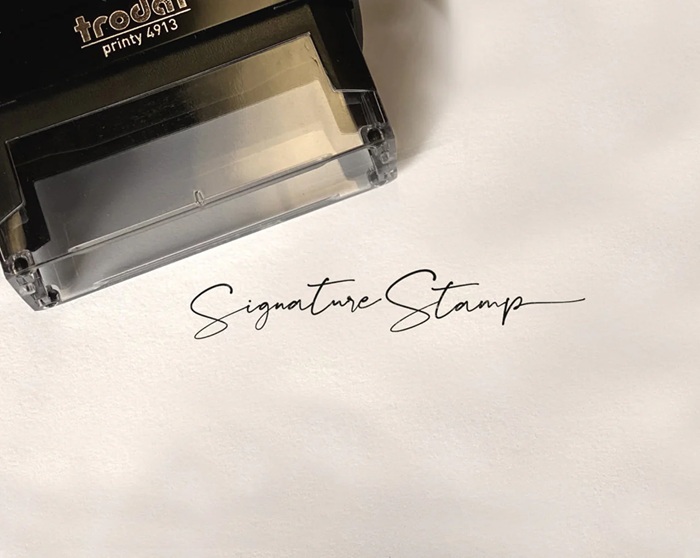
How Long Do Signature Stamps Last with Regular Use?
With regular use, a standard signature stamp usually lasts to two to five years. This estimate applies to stamps used several times a day on paper documents. Light or occasional use can extend this time period further.
The rubber plate and ink delivery system are the parts that wear out first. If these parts remain in good condition, the stamp continues to work without issues.
Material Quality and its Impact
The quality of materials plays a major role in longevity. Stamps made with high grade rubber maintain clear lines for a longer period. Poor quality rubber tends to crack, harden, or lose definition faster.
Self inking stamps usually last longer than traditional stamps with external ink pads. Their internal mechanism distributes ink evenly and protects the rubber plate from excess pressure. A well built casing also prevents misalignment during stamping.
Frequency of Use
Usage frequency directly affects how long the stamp lasts. A stamp used occasionally for approvals or internal forms may remain functional for many years. On the other hand, stamps used hundreds of times daily will show wear sooner.
Repeated heavy pressure while stamping increases damage. Applying gentle and even pressure helps extend the usable life without affecting clarity.
Ink Type and Refilling Habits
Ink quality matters as much as rubber quality. Thick or low grade ink can dry out faster and clog the stamp surface. Using manufacturer approved ink refills keeps impressions clear and uniform.
Over inking causes smudging and weakens rubber over time. Under inking leads to faded impressions and unnecessary repeated stamping. Balanced refilling keeps the stamp usable for longer periods.
Paper Surface and Usage Conditions
The type of paper also affects stamp life. Rough or textured paper wears down rubber faster than smooth office paper. Stamping on glossy surfaces may require extra pressure, which increases strain on the mechanism.
Environmental factors are also important. Excess heat can harden rubber, while high humidity can affect ink flow. Storing the stamp in a closed drawer or case helps protect it from these issues.
Extending the Life of the Signature Stamp
Simple care habits make a difference. Use moderate pressure, refill ink only when required, and keep the stamp clean. Avoid stamping on hard or abrasive surfaces.
For those learning How to get a Signature Stamp, choosing a trusted supplier and proper stamp type from the start helps reduce early wear and frequent replacement.
Conclusion
Signature stamps are durable and important tool for repeated office use. With proper handling and basic maintenance, they remain reliable for years. Material quality, usage habits, ink management, and storage conditions all influence how long the stamp performs well. Understanding the above-mentioned factors helps users get uniform results and better value from their signature stamp.