
Early learning is built on curiosity. Children begin to explore, ask questions, and form connections long before formal schooling starts. One of the most effective ways to support this stage of development is through educational toys. These toys introduce basic concepts through play and allow children to learn by doing. Understanding how toys help kids in early education gives parents and educators clarity on why the right play materials matter during the early years.
The Role of Curiosity in Early Learning
Curiosity drives learning in young children. When a child is curious, they observe, experiment, and repeat actions to understand outcomes. This process helps them develop thinking skills, memory, and problem-solving abilities. Educational toys support this natural behavior by presenting challenges that invite exploration without pressure. Instead of direct instruction, children learn through interaction, which makes learning feel natural and engaging.
Learning Through Hands-On Exploration
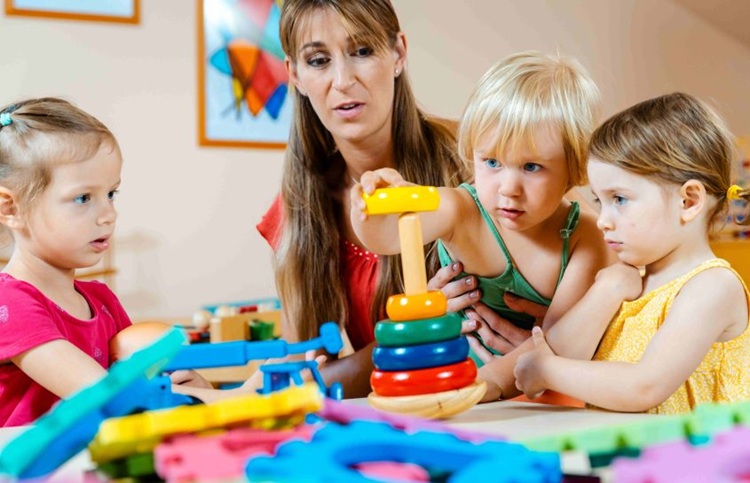
Educational toys encourage hands-on involvement. Building blocks, shape sorters, and puzzle boards require children to touch, move, and arrange objects. These actions help children understand size, shape, balance, and order. As they experiment with different combinations, they begin to ask questions internally, such as why one structure falls and another stays upright. This form of exploration builds curiosity through trial and error rather than passive observation.
Encouraging Problem-Solving Skills
Many educational toys present simple problems that children must solve on their own. For example, a puzzle with missing pieces or a stacking toy that must be arranged correctly encourages children to think and try different approaches. When a child fails, they often retry using a new method. This repeated effort builds patience and confidence while reinforcing curiosity. Children learn that mistakes are part of learning, which keeps them engaged rather than discouraged.
Supporting Independent Thinking
Educational toys often allow children to play independently. This independence gives them space to make decisions without constant guidance. When children choose how to play with a toy, they begin to form their own ideas and strategies. This freedom supports curiosity because children are not limited to one method of play. A simple toy can be used in many ways, and each new use leads to new observations and questions.
Developing Early Cognitive Skills
Toys that focus on numbers, letters, colors, and patterns help children develop cognitive skills at an early stage. Sorting games, counting beads, and matching cards introduce foundational concepts in a practical way. As children recognize patterns or connect symbols with meanings, their curiosity grows. They begin to look for similarities and differences in their surroundings, which supports early reasoning skills.
Building Language and Communication
Some educational toys promote language development through interaction. Picture cards, story cubes, and role-play toys encourage children to name objects, describe actions, and express ideas. As children play, they often talk aloud or ask questions. This verbal interaction helps expand vocabulary and improves communication skills. Curiosity grows as children learn new words and attempt to use them in different contexts.
Encouraging Social Interaction and Collaboration
Group-based educational toys help children interact with others. Board games, cooperative building sets, and role-play activities teach children how to share, take turns, and communicate. During group play, children observe how others solve problems or use toys differently. This exposure introduces new ideas and sparks curiosity. Children often imitate or adapt what they see, which broadens their learning experience.
Learning Through Repetition and Discovery
Children enjoy repeating activities that interest them. Educational toys support repetition without boredom because outcomes can change each time. A child stacking blocks may try higher towers or new arrangements during each session. This repeated discovery strengthens understanding and keeps curiosity active. Over time, children begin to predict outcomes and test their assumptions, which supports early analytical thinking.
Choosing the Right Educational Toys
The effectiveness of educational toys depends on how well they match a child’s developmental stage. Toys should be simple enough to avoid frustration but challenging enough to encourage thinking. Open-ended toys that allow multiple uses are especially helpful for curiosity-driven learning. Parents and educators should observe how children interact with toys and adjust choices based on interest and engagement levels.
Conclusion
Educational toys play a vital role in encouraging curiosity during early learning years. By promoting hands-on exploration, problem-solving, independent thinking, and communication, these toys support natural learning behaviors. Understanding how toys help kids in early education allows caregivers to make informed choices that support long-term development. With the right toys, children remain curious, engaged, and eager to learn through play.