
Signature stamps are widely used in hospitals, clinics, laboratories, and pharmacies. Doctors and healthcare professionals use them to save time while signing prescriptions, reports, patient records, and approval documents. However, the quality of the stamp impression depends heavily on the type of ink being used.
Choosing the wrong ink can cause smudging, fading, or unclear impressions on medical documents. Since healthcare paperwork often needs long term storage and clear readability, selecting the right ink type becomes important.
What Ink Types Work Best for Signature Stamps in Medical Settings?
Water Based Ink
Water based ink is commonly used in regular office stamps. It is affordable and works well for standard paperwork.
This type of ink creates clean impressions on normal paper surfaces. It also dries reasonably fast in low volume environments. However, it may not perform well in busy medical facilities where documents are handled continuously.
Water based ink can sometimes smear if touched immediately after stamping. It may also fade over time if exposed to moisture or sunlight.
For small clinics with limited paperwork, water based ink can still be a practical option.
Oil Based Ink
Oil based ink is one of the most preferred choices for medical signature stamps.
It produces darker and sharper impressions compared to water based ink. The ink also lasts longer on documents and resists fading effectively.
Hospitals often use oil based ink for records that require long term preservation. Since patient files may be archived for years, durability becomes necessary.
Another advantage is that oil based ink works well on different paper surfaces. Even slightly glossy medical forms can usually hold the impression properly.
However, oil based ink takes slightly longer to dry. Because of this, users should avoid touching freshly stamped documents immediately.
Quick Dry Ink
Quick dry ink is suitable for fast paced medical environments. Emergency rooms, diagnostic centers, and pharmacies often process paperwork rapidly throughout the day.
In such conditions, waiting for ink to dry can slow down workflow. Quick dry ink solves this problem by reducing smudging risks.
This ink type dries almost instantly after stamping. It is useful for healthcare professionals who sign large numbers of forms daily.
Quick dry ink also helps maintain cleaner documents. Since medical paperwork often passes through multiple hands, smudge free impressions improve readability.
Permanent Ink
Permanent ink is another reliable choice for healthcare applications.
This ink is formulated to resist water, fading, and chemical exposure. It is commonly used for official hospital documentation and legal medical records.
Permanent ink remains visible for long periods without losing clarity. Some healthcare facilities use it for prescription approvals and laboratory reports that require secure documentation.
However, permanent ink can sometimes bleed through thinner paper. Therefore, testing the ink on the paper type being used is recommended before regular use.
Pre Inked Stamp Ink
Pre inked signature stamps are becoming increasingly popular in healthcare offices.
These stamps produce very sharp and professional impressions. The ink is stored inside the stamp mechanism, which reduces leakage and mess.
Doctors often prefer pre inked stamps because they provide thousands of impressions before needing refilling.
They are also quieter and cleaner compared to traditional rubber stamps. This makes them suitable for reception desks, consultation rooms, and nursing stations.
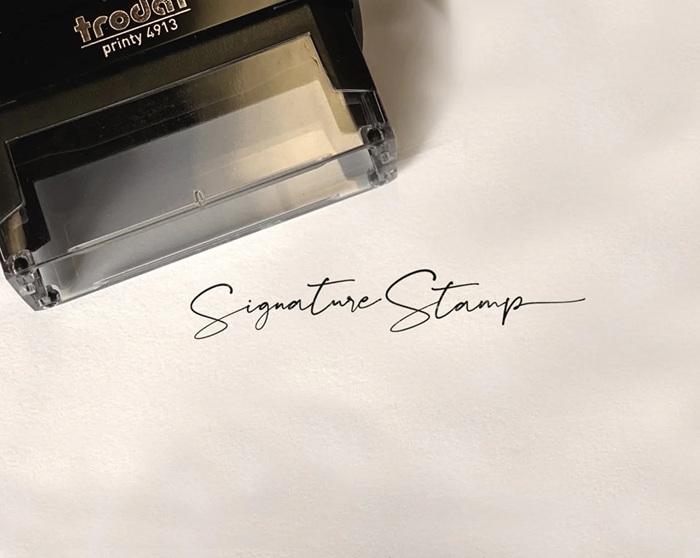
Many businesses involved in Signature Stamp Making now recommend pre inked models for medical professionals because of their convenience and consistent print quality.
Conclusion
Signature stamps play an important role in medical documentation. However, the performance of the stamp largely depends on the ink being used.
Choosing the right ink can improve readability, reduce smudging, and support long term document storage. Whether it is a hospital, clinic, or pharmacy, selecting suitable stamp ink helps maintain smoother documentation processes and clearer medical records.