
Solar panels are designed to operate for decades, which means the condition of the roof plays a major role in installation planning and total project cost. Many homeowners focus on panel pricing and incentives, but roof structure, age, and materials can significantly influence the final installation expense. Understanding these factors helps homeowners plan their budget more accurately.
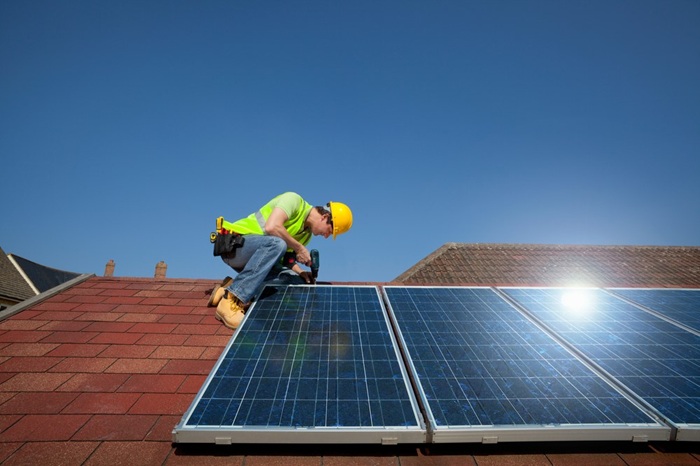
How Do Roof Conditions Affect Your Solar Installation Cost?
Solar panels are mounted directly onto the roof and remain there for more than 20 years. If the roof cannot support the system safely, additional work may be required before installation begins.
Installers evaluate roof strength, material, slope, and remaining lifespan. If issues are identified during inspection, repairs or upgrades may be necessary. These additional steps can increase the overall cost of the project.
For homeowners researching solar installation cost Miami, roof condition is one of the most common factors that changes the final price.
Roof Age and Remaining Lifespan
The age of the roof strongly influences installation decisions. A roof nearing the end of its lifespan may require replacement before panels are installed.
Removing and reinstalling solar panels for future roof replacement can be expensive. Because of this, installers often recommend replacing older roofs before installation. While this increases upfront cost, it prevents larger expenses later.
Roof Structure and Load Capacity
Solar panels add extra weight to the roof. Although the weight is manageable for most modern roofs, older or weaker structures may require reinforcement.
Structural upgrades may include:
- Strengthening roof framing
- Adding support beams
- Reinforcing mounting areas
These upgrades increase installation costs but provide long-term safety and stability.
Roof Material and Installation Difficulty
Different roofing materials affect installation time and labor costs. Some materials allow easier mounting, while others require additional equipment or specialized techniques.
Common examples include:
- Asphalt shingles – Typically easier and less expensive to install on
- Tile roofs – Require careful handling and additional mounting hardware
- Metal roofs – Often easier for mounting but require specific attachments
More complex materials increase labor time and equipment needs, which raises overall installation cost.
Roof Angle and Accessibility
The slope of the roof affects installation difficulty and safety requirements. Steeper roofs require additional safety equipment and longer installation time.
Accessibility also plays a role. Limited roof access or obstacles such as skylights, vents, and chimneys can slow the installation process. Increased labor time contributes to higher costs.
Roof Orientation and Sunlight Exposure
The direction the roof faces affects solar panel performance. South-facing roofs generally receive more sunlight, while east- or west-facing roofs may require additional panels to produce the same amount of energy.
If the roof orientation is less favorable, installers may recommend adding more panels or using higher-efficiency equipment. This can increase overall system cost.
Planning and Comparing Installation Options
Because roof conditions vary from home to home, installation costs can differ significantly. Many homeowners compare installers and cost estimates before choosing a provider.
Platforms like CaSolar Solutions help homeowners review expert-updated information, compare vetted installers, explore incentives and policies, and use calculators that estimate system size and savings. The platform can also match users with up to three installers based on ZIP code and electricity usage, which helps simplify the comparison process.
Final Thoughts
Roof condition plays a major role in solar installation cost. Roof age, structure, material, accessibility, and orientation all influence the amount of preparation and labor required.
Understanding these factors helps homeowners plan more accurately and avoid unexpected expenses. A strong and well-prepared roof supports efficient solar performance and long-term savings.