
Knit socks are one of the most comfortable types of socks that people wear every day. They are soft, flexible, and suitable for different weather conditions. Whether you are walking, working, exercising, or relaxing at home, the right pair of knit socks can help your feet stay comfortable throughout the day.
Many people think socks only provide basic foot coverage. However, knit socks also help regulate temperature, reduce friction, and improve overall comfort. The quality of the fabric, the knitting pattern, and the fit all play an important role in how the socks perform.
If you are looking for long lasting comfort, understanding how knit socks work can help you choose the right pair.
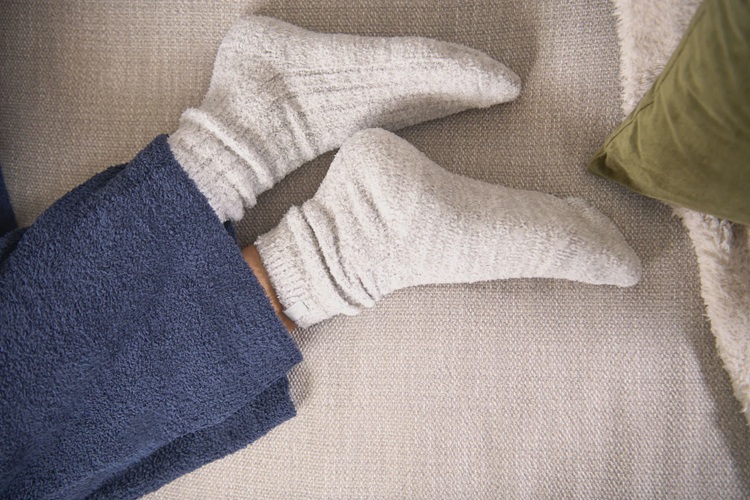
How Do Knit Socks Keep Your Feet Comfortable in Every Season?
Soft Material Keeps Feet Comfortable
One of the main reasons knit socks are comfortable is the softness of the fabric. Cotton, wool, bamboo, and synthetic fibers are commonly used to produce knit socks. Each material offers a different level of comfort depending on the season and daily activity.
Soft fibers reduce rubbing against the skin. This helps lower the chances of irritation, especially when the socks are worn for several hours. A comfortable fabric also allows your feet to move naturally without creating pressure.
Custom knit socks can also be produced with different fabric blends, thickness levels, and sizes. This allows the socks to match different activities and weather conditions. Choosing socks made from quality yarn can make a noticeable difference in daily comfort.
Breathability Helps During Warm Weather
Feet naturally produce heat and moisture throughout the day. If this moisture stays inside the socks, it can lead to discomfort and unpleasant odors.
Knit socks are made with loops that create small spaces within the fabric. These spaces allow air to move more freely around the feet. Better airflow helps reduce heat buildup and keeps the feet feeling fresh.
Some knit socks also include moisture absorbing fibers that help move sweat away from the skin. This makes them suitable for long working hours, outdoor activities, and regular daily use.
Insulation Makes Them Suitable for Cold Days
Knit socks are equally useful during colder seasons. The knitted construction traps small pockets of air inside the fabric. These air pockets help hold body warmth around the feet.
Wool knit socks are especially popular during winter because wool naturally retains heat while remaining comfortable. Even thicker cotton knit socks can provide additional warmth without making the socks feel overly heavy.
This simple insulation process helps maintain a comfortable foot temperature during cold weather.
Flexible Construction Supports Daily Movement
Comfort also depends on how well the socks move with your feet. Knit socks naturally stretch because of the way the yarn is woven together. This flexibility allows the socks to fit different foot shapes without feeling restrictive.
A flexible fit also helps reduce bunching inside shoes. Smooth fitting socks create less friction while walking, standing, or running.
Many people choose knit socks because they remain comfortable during daily activities without requiring frequent adjustment.
Cushioning Reduces Foot Pressure
Walking and standing place constant pressure on the feet. Knit socks provide a soft layer between the foot and the shoe. This layer helps absorb some of the impact created while moving.
Some knit socks include thicker sections around the heel and toe. These areas receive more pressure during walking, making extra cushioning useful for improving comfort.
Whether you spend hours at work or enjoy outdoor activities, cushioning can help reduce foot fatigue over time.
Durability Supports Long Term Use
Comfort also depends on how well socks maintain their shape after repeated use. High quality knit socks are made to handle regular washing while keeping their softness and elasticity.
Good stitching around the heel, toe, and cuff helps the socks remain secure during daily wear. Strong construction also reduces the chances of loose threads and fabric damage.
With proper care, knit socks continue providing reliable comfort for a long time.
Choosing the Right Knit Socks
Different situations require different types of knit socks. Lightweight socks are suitable for warmer weather, while thicker socks provide additional warmth during colder months.
You should also consider the material, size, and intended use before making a purchase. Socks that fit properly help reduce friction and improve comfort during everyday activities.
Selecting quality materials and the correct thickness can make wearing shoes much more comfortable throughout the year.
Conclusion
Knit socks provide comfort in every season through their soft fabric, breathable construction, natural insulation, flexibility, and cushioning. They help keep feet cool during warm weather while providing warmth during colder months.
Whether you need socks for everyday wear, sports, work, or promotional purposes, the right pair can make daily activities more comfortable. Custom knit socks also give businesses and organizations the opportunity to combine comfort with attractive branding while maintaining the same practical benefits that make knit socks a reliable choice throughout the year.